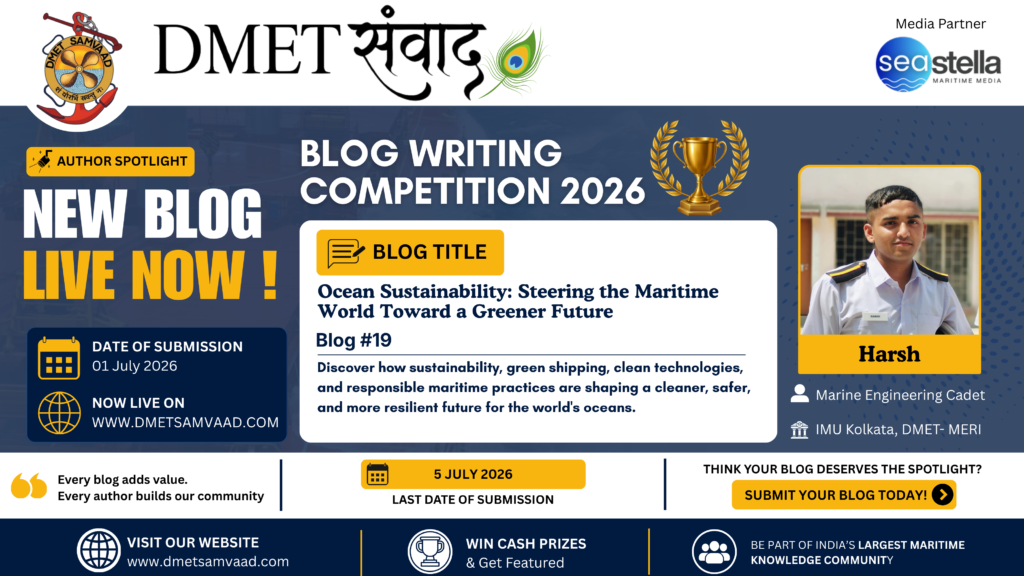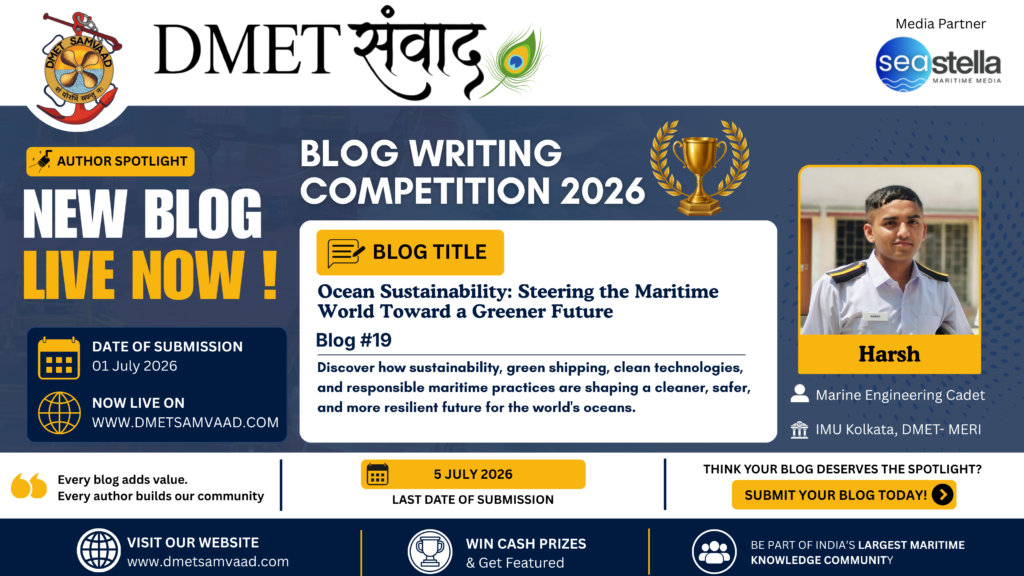
The oceans cover more than 70% of the Earth’s surface, support millions of livelihoods, regulate the global climate, and facilitate nearly 90% of international trade by volume. At the heart of this vast blue economy lies the maritime industry, a sector that connects nations, powers commerce, and drives economic growth. However, as global trade continues to expand, so does the industry’s environmental footprint. Ocean sustainability has therefore become a defining priority for the maritime world, requiring innovation, collaboration, and responsible stewardship.
Why Ocean Sustainability Matters
Healthy oceans are essential for maintaining biodiversity, food security, and climate stability. Marine ecosystems absorb significant amounts of carbon dioxide, produce much of the oxygen we breathe, and provide habitats for countless species. Yet these ecosystems face mounting pressures from pollution, overfishing, habitat destruction, and climate change.
The maritime industry, while indispensable to the global economy, contributes to several of these challenges. Greenhouse gas emissions from ships, accidental oil spills, ballast water discharge, underwater noise, and marine litter can all negatively impact ocean health. Addressing these issues is not only an environmental responsibility but also a business necessity, as consumers, investors, and regulators increasingly expect sustainable practices.
Key Challenges Facing the Maritime Industry
1. Greenhouse Gas Emissions
International shipping accounts for a notable share of global carbon emissions. Although shipping remains one of the most energy-efficient modes of transporting goods, the industry’s dependence on fossil fuels contributes to climate change. Decarbonizing shipping is now a global priority, with shipping companies investing in cleaner fuels, energy-efficient vessel designs, and advanced propulsion technologies.
2. Marine Pollution
Plastic waste, oil spills, chemical discharges, and sewage threaten marine ecosystems worldwide. Even routine ship operations can release pollutants if not managed responsibly. Preventing pollution requires strict compliance with environmental regulations, improved waste management systems, and greater awareness among maritime professionals.
3. Ballast Water and Invasive Species
Ships use ballast water to maintain stability during voyages. However, untreated ballast water can transport invasive marine species across oceans, disrupting local ecosystems and harming native biodiversity. Modern ballast water treatment systems have become essential for reducing this ecological risk.
4. Biodiversity Loss
Shipping routes often intersect with sensitive marine habitats, affecting whales, dolphins, coral reefs, and other vulnerable species. Ship strikes, underwater noise, and habitat disturbance have become growing concerns, prompting the industry to adopt measures that minimize ecological impacts.
Innovations Driving Sustainable Shipping
The maritime sector is embracing technological advancements that support environmental sustainability.
Alternative fuels such as green methanol, ammonia, hydrogen, and biofuels are emerging as promising solutions for reducing carbon emissions. While challenges related to infrastructure and scalability remain, continued investment is accelerating their adoption. Digital technologies, including artificial intelligence, satellite monitoring, and predictive analytics, enable ships to optimize routes, reduce fuel consumption, and improve operational efficiency.
Smart navigation systems help minimize emissions while enhancing safety. Energy-saving technologies such as air lubrication systems, wind-assisted propulsion, advanced hull coatings, and waste heat recovery systems further improve vessel efficiency. Combined with regular maintenance and optimized voyage planning, these innovations significantly reduce environmental impacts.
Ports are also becoming greener by providing shore power, enabling ships to switch off their engines while docked. Electrified port operations, renewable energy integration, and sustainable logistics contribute to cleaner coastal environments.
The Role of International Regulations
Global cooperation is essential for protecting the oceans. International regulatory frameworks establish standards for pollution prevention, emissions reduction, and marine conservation. Environmental conventions encourage shipping companies to adopt cleaner technologies, improve waste management, and strengthen environmental accountability.
Many shipping companies now integrate Environmental, Social, and Governance (ESG) principles into their corporate strategies. Sustainability reporting, carbon disclosure, and transparent environmental performance are becoming standard business practices that build stakeholder trust and support long-term resilience.
Building a Culture of Sustainability
Technology alone cannot achieve ocean sustainability. The maritime workforce plays a critical role in implementing environmentally responsible practices. Training seafarers on pollution prevention, waste segregation, energy efficiency, and emergency response strengthens environmental performance across the industry. Companies that foster a culture of sustainability encourage employees at every level to contribute ideas, follow best practices, and take ownership of environmental stewardship.
Collaboration between governments, shipping companies, port authorities, research institutions, and environmental organizations further accelerates innovation and knowledge sharing. Publicprivate partnerships are helping develop cleaner technologies and scalable solutions for the future.
Looking Ahead
The journey toward a sustainable maritime future is both challenging and full of opportunity. As global trade continues to grow, balancing economic development with environmental protection will become increasingly important. Investments in clean technologies, supportive policies, and responsible business practices are laying the foundation for a resilient and environmentally conscious maritime industry.
Ocean sustainability is no longer an optional initiative—it is a strategic imperative. Every stakeholder, from shipowners and port operators to policymakers and consumers, has a role to play in preserving the health of our oceans. By embracing innovation, strengthening international cooperation, and prioritizing environmental responsibility, the maritime world can continue to power global commerce while safeguarding the blue planet for future generations.
The future of shipping depends not only on moving goods efficiently but also on ensuring that the oceans that make global trade possible remain healthy, productive, and vibrant. Sustainable oceans are the cornerstone of sustainable shipping, and together they represent the pathway toward a cleaner, greener, and more resilient maritime future.