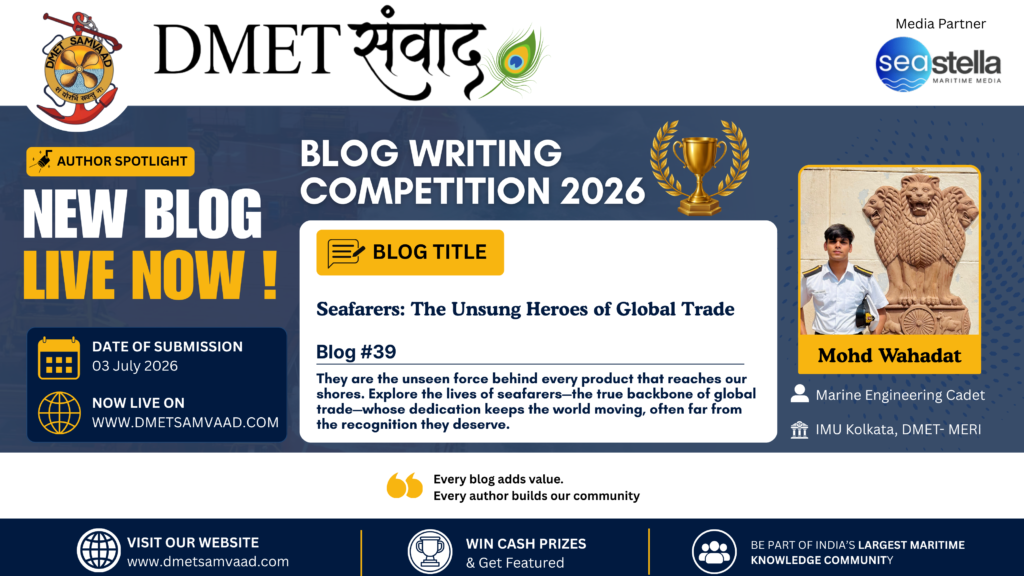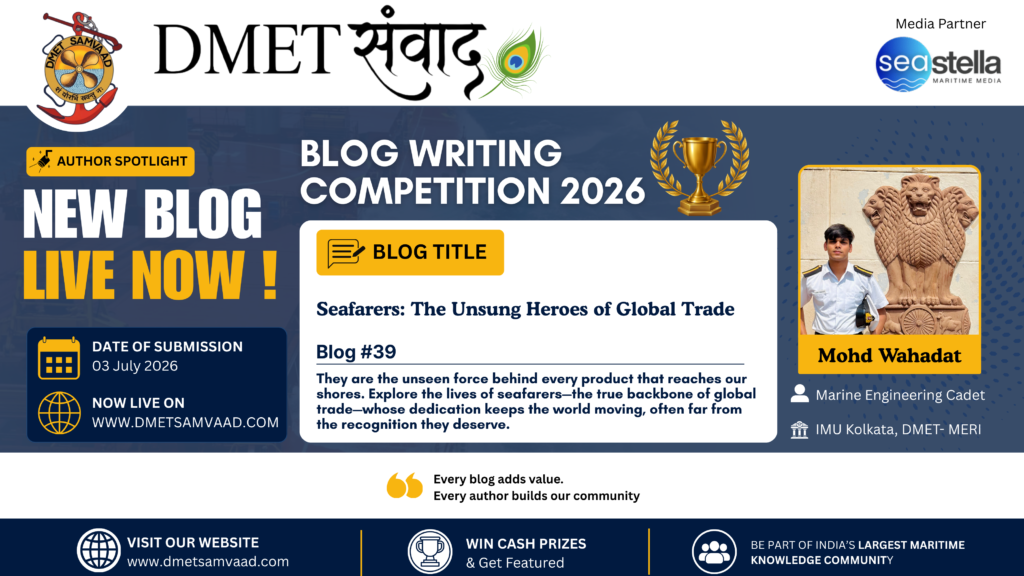
Every day, thousands of ships travel across oceans carrying food, fuel, medicines, electronics,
and countless other goods that keep the global economy moving. Behind this vast maritime
network are millions of dedicated professionals whose expertise and commitment make
international trade possible. These individuals—known as seafarers—form the backbone of the maritime workforce.
Who Are Seafarers?
Seafarers are skilled professionals who work aboard commercial vessels such as cargo ships,
tankers, container ships, cruise liners, and offshore support vessels. Their responsibilities extend far beyond navigating ships. They ensure cargo is handled safely, maintain complex machinery, comply with international safety regulations, and protect the marine environment.
A ship’s crew typically includes deck officers, engineers, ratings, electricians, cooks, and other specialized personnel. Each role is essential to the vessel’s safe and efficient operation.
The Importance of the Maritime Workforce
Around 90% of global trade by volume is transported by sea, making maritime transportation one of the world’s most vital industries. The maritime workforce enables businesses to connect markets across continents, ensuring that products reach consumers efficiently and cost effectively.
Without skilled seafarers, global supply chains would face severe disruptions. From transporting agricultural products and industrial machinery to delivering essential medical supplies during emergencies, seafarers play a crucial role in maintaining economic stability and supporting international commerce.
Skills That Define Modern Seafarers
Today’s maritime professionals require a combination of technical expertise, adaptability, and
strong interpersonal skills. Modern ships rely on advanced navigation systems, automation,
satellite communication, and digital monitoring technologies, making continuous learning
essential.
Key skills include:
Navigation and ship handling
Marine engineering and equipment maintenance
Safety and emergency response
Leadership and teamwork
Problem-solving under pressure
Environmental awareness
Digital and technological proficiency
International training standards ensure that seafarers remain competent and prepared for evolving industry requirements.
Challenges Faced by Seafarers
While a maritime career offers exciting opportunities, it also comes with unique challenges.
Long Periods Away from Home
Many seafarers spend several months at sea before returning home. Extended separation from family and friends can affect emotional well-being and work-life balance.
Mental Health and Well-being
Isolation, demanding workloads, and limited social interaction can contribute to stress, anxiety, and fatigue. The maritime industry is increasingly recognizing the importance of mental health support through counseling services, wellness programs, and improved onboard communication.
Safety Risks
Despite significant advancements in maritime safety, seafarers continue to work in challenging environments. Extreme weather, equipment failures, piracy in certain regions, and emergency situations require constant vigilance and professional competence.
Regulatory Compliance
The maritime industry operates under strict international regulations covering safety,
environmental protection, and labor standards. Seafarers must stay updated with evolving
compliance requirements through regular training and certification.
Technology Is Transforming Maritime Careers
The maritime industry is undergoing rapid digital transformation. Technologies such as artificial intelligence, automation, remote monitoring, predictive maintenance, and smart shipping are reshaping vessel operations.
Rather than replacing seafarers, these innovations are changing the nature of their work.
Maritime professionals now require stronger digital skills alongside traditional seamanship. Data analysis, cybersecurity awareness, and proficiency with integrated bridge and engine systems have become increasingly valuable.
As autonomous and remotely operated technologies continue to develop, human expertise will remain essential for decision-making, safety management, and emergency response.
Sustainability and the Future Workforce
Environmental sustainability has become a major priority for the maritime sector. The industry is actively working to reduce greenhouse gas emissions by adopting cleaner fuels, improving energy efficiency, and investing in innovative vessel designs.
This transition is creating new career opportunities for maritime professionals with expertise in:
Alternative marine fuels
Green shipping technologies
Energy-efficient operations
Environmental compliance
Sustainable Logistics
The workforce of the future will combine traditional maritime knowledge with environmental
stewardship and technological competence.
Building a Stronger Maritime Workforce
Attracting and retaining skilled professionals remains a priority for the global maritime industry. Governments, shipping companies, maritime academies, and international organizations are investing in education, training, and career development to prepare the next generation of seafarers.
Improving working conditions, promoting diversity and inclusion, supporting mental health, and embracing digital innovation are essential steps toward building a resilient and future-ready maritime workforce.
Conclusion
Seafarers are far more than the crews who operate ships—they are the driving force behind
global trade and economic development. Their professionalism, resilience, and dedication ensure the uninterrupted movement of goods that millions of people rely on every day.
As the maritime industry embraces digitalization, sustainability, and technological innovation,
the role of the maritime workforce will continue to evolve. Investing in seafarers through
education, welfare, and modern skills development is not only beneficial for the industry but also essential for the stability of global commerce. The future of maritime success depends on empowering the people who navigate the world’s oceans. By recognizing their contributions and supporting their professional growth, the industry can build a safer, smarter, and more sustainable future for generations to come.