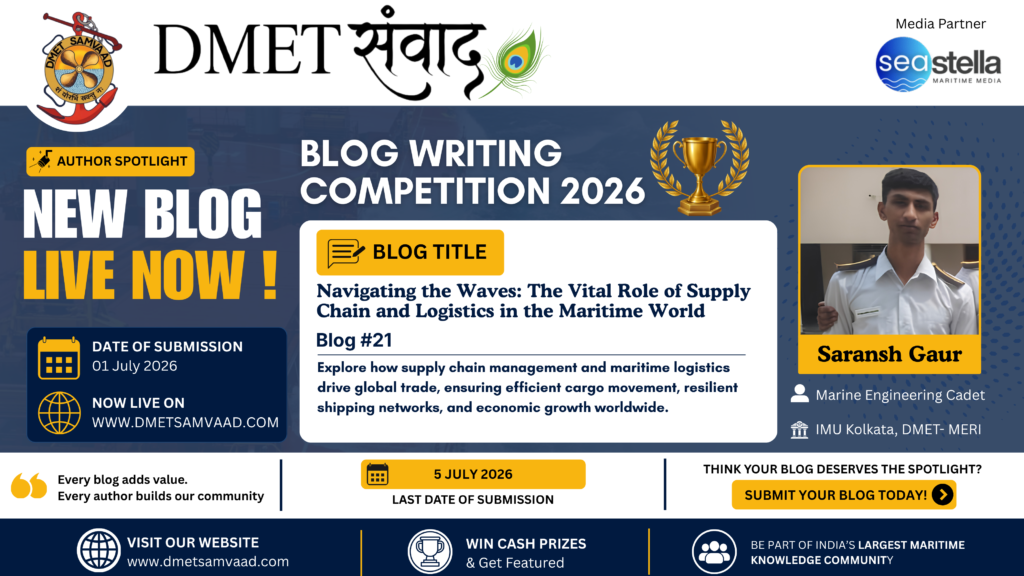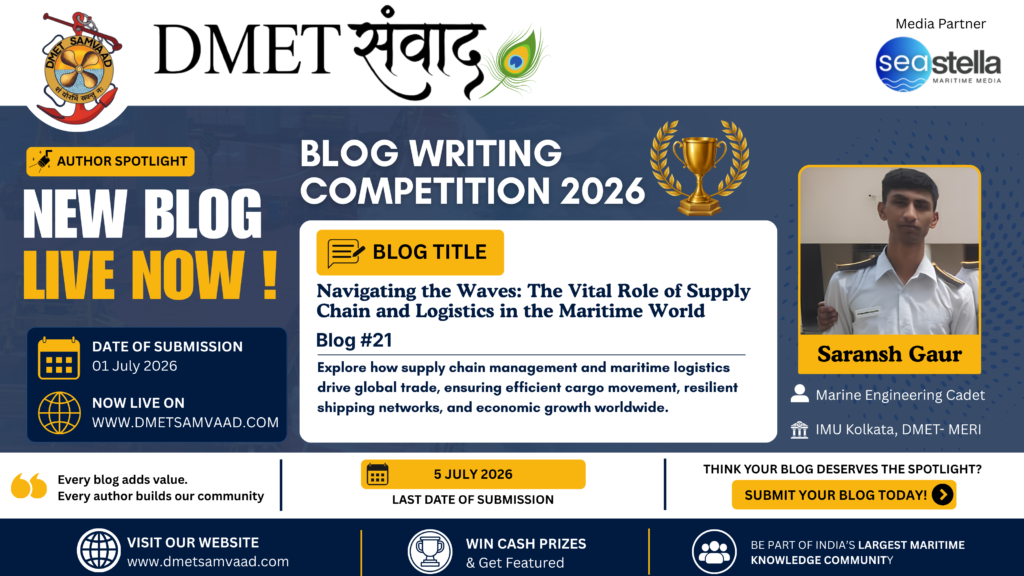
In today’s interconnected global economy, the maritime industry serves as the backbone of international trade. Nearly 90% of the world’s goods are transported by sea, making maritime logistics one of the most critical components of global supply chains. From raw materials and consumer goods to energy resources and industrial equipment, the smooth movement of cargo across oceans keeps businesses running and economies growing.
Understanding Maritime Supply Chains
A maritime supply chain is much more than ships sailing from one port to another. It is a complex network involving manufacturers, suppliers, freight forwarders, shipping lines, ports, customs authorities, warehouses, and last-mile transportation providers. Each stakeholder plays a crucial role in ensuring goods reach their destination safely, efficiently, and on time. Logistics within the maritime sector encompasses planning, coordinating, and managing the movement of cargo throughout its journey. This includes cargo handling, vessel scheduling, documentation, customs clearance, inventory management, and multimodal transportation. Effective coordination among these elements is essential to minimize delays and optimize costs.
The Importance of Maritime Logistics
Maritime logistics enables global commerce by providing an economical and efficient mode of transporting large volumes of cargo. Compared to air or road transport, shipping offers lower transportation costs for bulk commodities and containerized goods, making international trade accessible and affordable. Efficient maritime logistics also contributes to:
Sustainable transportation with lower carbon emissions per ton of cargo compared to many other transport modes. As global trade continues to expand, the importance of resilient maritime logistics has become even more evident.
Lower operational costs through optimized shipping routes.
Improved inventory management with predictable delivery schedules.
Enhanced customer satisfaction through reliable shipments.
Increased competitiveness for businesses operating in international markets.
Challenges Facing Maritime Supply Chains
Despite its significance, the maritime industry faces numerous challenges that can disrupt supply chain operations.
Port Congestion: High cargo volumes, labor shortages, and infrastructure limitations often
result in vessel delays and increased turnaround times.
Geopolitical Risks: Trade disputes, sanctions, regional conflicts, and changing international regulations can significantly impact shipping routes and cargo movement.
Weather and Climate Events: Hurricanes, cyclones, floods, and other extreme weather events frequently disrupt maritime operations and port activities.
Supply Chain Disruptions: Global events such as pandemics, natural disasters, and economic
uncertainties have highlighted the vulnerability of interconnected supply chains.
Regulatory Compliance: Shipping companies must comply with international safety,
environmental, and customs regulations, which require continuous monitoring and adaptation.Managing these challenges demands proactive planning, risk assessment, and technological innovation. Technology Transforming Maritime Logistics Digital transformation is reshaping the maritime industry, making supply chains smarter, faster, and more transparent.
Artificial Intelligence (AI): AI helps forecast demand, optimize shipping routes, predict
equipment failures, and improve fleet management through data-driven insights.
Internet of Things (IoT): Smart sensors monitor cargo conditions, vessel performance, and
container locations in real time, improving visibility across the supply chain.
Blockchain Technology: Secure digital documentation reduces paperwork, minimizes fraud,
and enhances transparency among supply chain partners.
Big Data Analytics: Advanced analytics enable organizations to identify bottlenecks, optimize operations, and make informed strategic decisions.
Automation and Smart Ports: Automated cranes, autonomous vehicles, and digital port
management systems improve operational efficiency while reducing turnaround times. These technologies are helping maritime organizations enhance resilience, reduce costs, and improve customer service.
Sustainability: A Growing Priority
Environmental sustainability has become a central focus for the maritime sector. Governments, regulatory bodies, and customers increasingly expect shipping companies to reduce their environmental footprint. Key sustainability initiatives include:
Leveraging predictive analytics for proactive decision-making. Organizations that prioritize resilience are better positioned to navigate uncertainties and maintain customer confidence.
1.Adopting cleaner marine fuels and alternative energy sources.
2.Investing in fuel-efficient vessels and modern fleet technologies.
3.Optimizing voyage planning to reduce fuel consumption.
4.Implementing waste management and ballast water treatment systems.
Utilizing digital technologies to minimize unnecessary voyages and idle time. Sustainable logistics not only supports environmental goals but also improves long-term operational efficiency and regulatory compliance. Building a Resilient Maritime Supply Chain Resilience has become a defining characteristic of successful supply chains. Companies are adopting strategies that enable them to respond quickly to disruptions while maintaining service continuity. Some effective approaches include:
1.Diversifying suppliers and transportation routes.
2.Investing in digital visibility and real-time tracking.
3.Strengthening collaboration across supply chain partners.
4.Developing contingency plans for operational disruptions.
5.Leveraging predictive analytics for proactive decision-making.
Organizations that prioritize resilience are better positioned to navigate uncertainties and
maintain customer confidence.
The Future of Maritime Logistics
The future of maritime logistics lies in greater connectivity, automation, and sustainability.
Smart shipping ecosystems powered by AI, digital twins, autonomous vessels, and integrated
logistics platforms will transform how goods move across global supply chains.
As customer expectations continue to evolve, businesses will increasingly rely on real-time data, predictive intelligence, and end-to-end visibility to improve operational performance. At the same time, environmental responsibility will remain a key driver of innovation, encouraging the adoption of greener technologies and more sustainable business practices.
Conclusion
Supply chain and logistics form the foundation of the maritime industry, enabling the seamless movement of goods across international markets. While the sector faces evolving challenges ranging from geopolitical uncertainties to climate risks, advances in digital technology and sustainable practices are creating new opportunities for growth and resilience. Organizations that embrace innovation, invest in digital transformation, and build agile supply chains will be better equipped to thrive in an increasingly competitive global marketplace. As maritime trade continues to power the world economy, efficient supply chain management will remain essential to connecting businesses, supporting economic development, and ensuring the uninterrupted flow of global commerce.